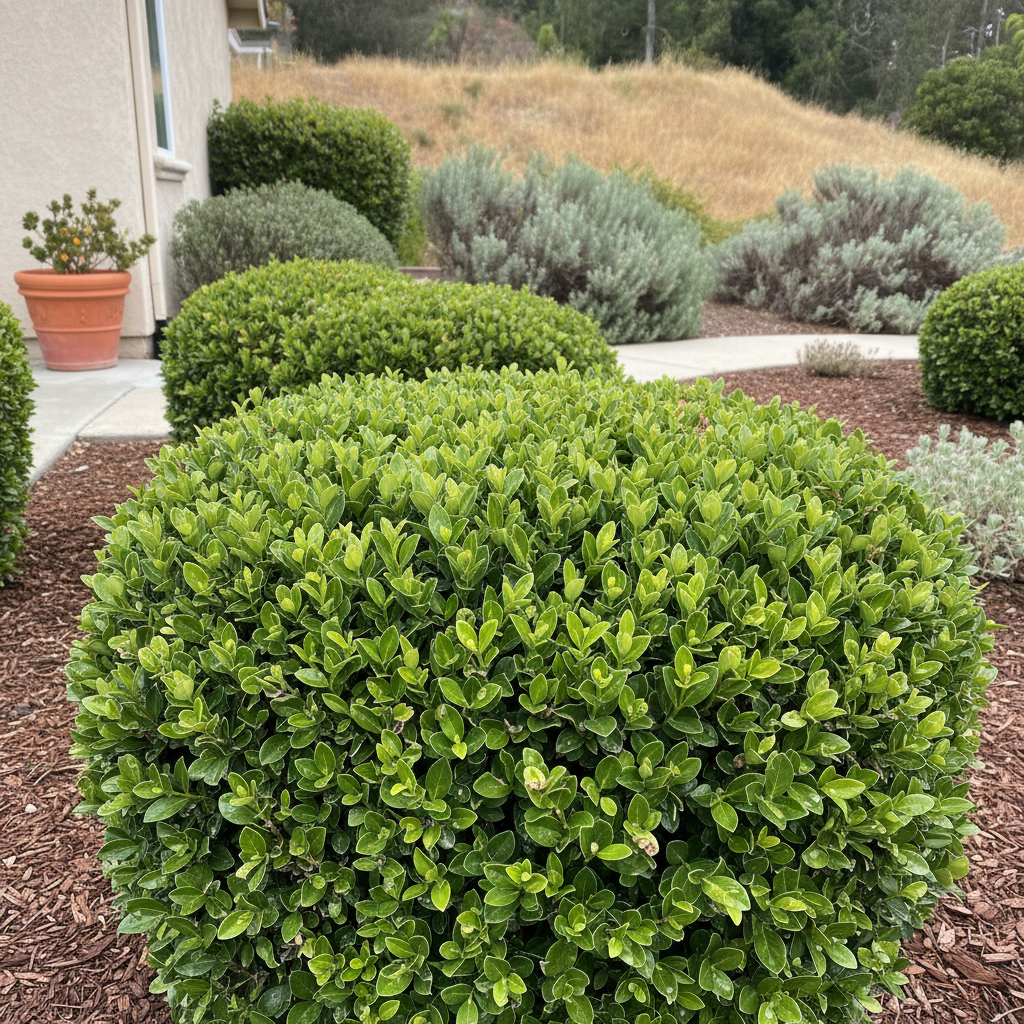
We need to talk about trimming the shrubs and bushes around your Fremont home. It is not just about making things look tidy. That is a big part of it, but there is more to it. Proper trimming keeps your plants healthy as well as encourages new growth. It can also help them flower better. Many folks get overwhelmed with this task. We will break it down for you. This includes what tools you will need as well as when to call a service like Busy Bee Tree.
Before You Grab Those Clippers: Planning Your Project
Do not just jump into the work. A little planning helps a lot. You would not build a house without a blueprint. The same idea applies here.
Know Your Plants & Timing
This is a very important part of the job. Different shrubs need different trimming schedules. If you trim at the wrong time, you could cut off next year's flowers. You could also stress the plant. For most deciduous shrubs, the dormant season is a good time. This is usually late fall to early spring. The plant is less active then. You can also see the branch structure better. For spring-flowering shrubs, you want to prune them right after they finish blooming. This way, you are not cutting off the buds that would become next year's show. Evergreens usually need minimal pruning. Late winter or early spring works well for them.
Here in Fremont, we have mild winters. You might see growth almost year-round. Late fall or winter is often good for many plants. Some might need a touch-up in late summer after their main growth spurt. For example, plants like hydrangeas are popular in California gardens. They do best with morning sun and afternoon shade. This helps them avoid scorching in our inland heat. Their pruning needs vary by type. Knowing what plants you have in your yard is key for proper shrub and bush trimming in Fremont.
Gather Your Tools
You do not need a lot of tools. Having the right tools makes the job safer as well as more effective. Always make sure your tools are sharp and clean. This prevents jagged cuts as well as disease spread.
- Hand Pruners (Bypass Shears): These are your main tool for smaller branches. They usually cut up to 3/4 inch to 1 inch in diameter. Bypass pruners work like scissors. They have two blades passing each other. This makes clean cuts on live wood. Do not use anvil pruners on live wood. They can crush the stem.
- Loppers: Loppers are for thicker branches. These are generally from 3/4 inch up to 1.5 or 2 inches. Loppers give you more leverage with their longer handles. Bypass loppers are best for live wood.
- Hedge Trimmers: A hedge trimmer is the right tool if you are dealing with a long hedge. It is also good if you want a very uniform shape. They come in manual, electric, and gas-powered versions. Electric ones are lighter as well as quieter. They are great for smaller yards. Gas models offer more power for bigger jobs.
- Gloves and Safety Glasses: Do not skip these items. Flying debris and sharp branches are serious hazards.
During the Trim: What to Cut and How
You have your tools in hand. Now we can get to the trimming. The goal is not just to hack away at the plants. It is to promote health as well as shape.
The "4 D's" of Pruning
This is a good rule for any plant. You should always look for these things when doing shrub and bush trimming.
- Dead: Remove any branches that are clearly dead. They are often brittle as well as discolored.
- Diseased: Look for branches with unusual spots, growths, or wilting. Cut these back to healthy wood. Make sure to clean your tools afterward. This helps avoid spreading the disease.
- Damaged: Broken or cracked branches should go. They are an open invitation for pests as well as disease.
- Deranged (or Crossing): Branches that are rubbing against each other should be removed. Branches growing in an undesirable direction should also be removed. This improves air circulation as well as prevents future damage.
Basic Trimming Techniques
- Thinning: This involves removing entire branches back to their origin. This opens up the plant. It also improves air circulation. This allows light to reach the inner parts. Thinning is great for overgrown shrubs.
- Heading Back: This is when you cut a branch back to a bud or a side branch. It encourages denser growth. It also helps control the size and shape. Always cut at a 45-degree angle. Cut just above a bud that is facing the direction you want new growth to go.
- Rejuvenation: For severely overgrown or old shrubs, you can cut the entire plant back significantly. Sometimes this means cutting to 6-12 inches from the ground. Do this in late winter. This sounds drastic. However, it can bring an old shrub back to life. It will have new, vigorous growth. Do not remove more than one-third of the shrub's total mass in a single year.
After the Cut: Cleanup and When to Call a Pro
You have done the hard work. Now it is time for the finishing touches.
Cleanup
Do not leave trimmings lying around. They can harbor pests as well as diseases. Bag them up. Here in Fremont, you can take your green waste to the Fremont Recycling and Transfer Station on Boyce Road. They have a designated "clean green" area for plant debris. There are also local junk removal services like U Junk It We Dump It. They can haul away yard waste if you have a lot.
DIY vs. Calling Busy Bee Tree
When do you tackle it yourself? When is it time to call in a professional service? Many shrub trimming jobs are totally doable for the average homeowner. This is especially true for smaller, easily accessible plants. If you are just doing some light shaping, you have got this. Removing a few dead branches or maintaining a small hedge is also something you can do.
However, there are definitely times when you should call a professional service like Busy Bee Tree. Our team is ready to help with your shrub and bush trimming needs in Fremont. We have the right tools as well as the experience.
- Large or Overgrown Shrubs: If a shrub is taller than you, it is probably beyond hand tools. If it has very thick, woody branches (over 2 inches in diameter), it might require specialized equipment as well as expertise.
- Complex Shaping: Do you want a specific, intricate shape for your hedges? That takes a skilled hand as well as an artistic eye.
- Safety Concerns: If you need a ladder, it is best to let a professional handle it. This is also true if you are working near power lines. If the shrub is in a precarious spot, our team has the right gear as well as training to do it safely.
- Disease or Pest Issues: If you suspect a disease or pest infestation, a professional can properly diagnose the problem. They can also trim the plant without spreading the issue to other parts of your yard.
- Time and Effort: Sometimes you just do not have the time or the energy. Trimming can be a lot of work. We are here to help when you need it.
- Uncertainty: If you are unsure about the type of plant, a professional can provide guidance. They can also tell you the best time to trim it. They can also tell you how much to remove. Improper pruning can damage or even kill a plant.
Proper shrub and bush trimming is an investment in your landscape's health as well as beauty. Do not be afraid to get your hands dirty. Also, know your limits. We are always here in Fremont if you need a hand. We can also just give some advice.