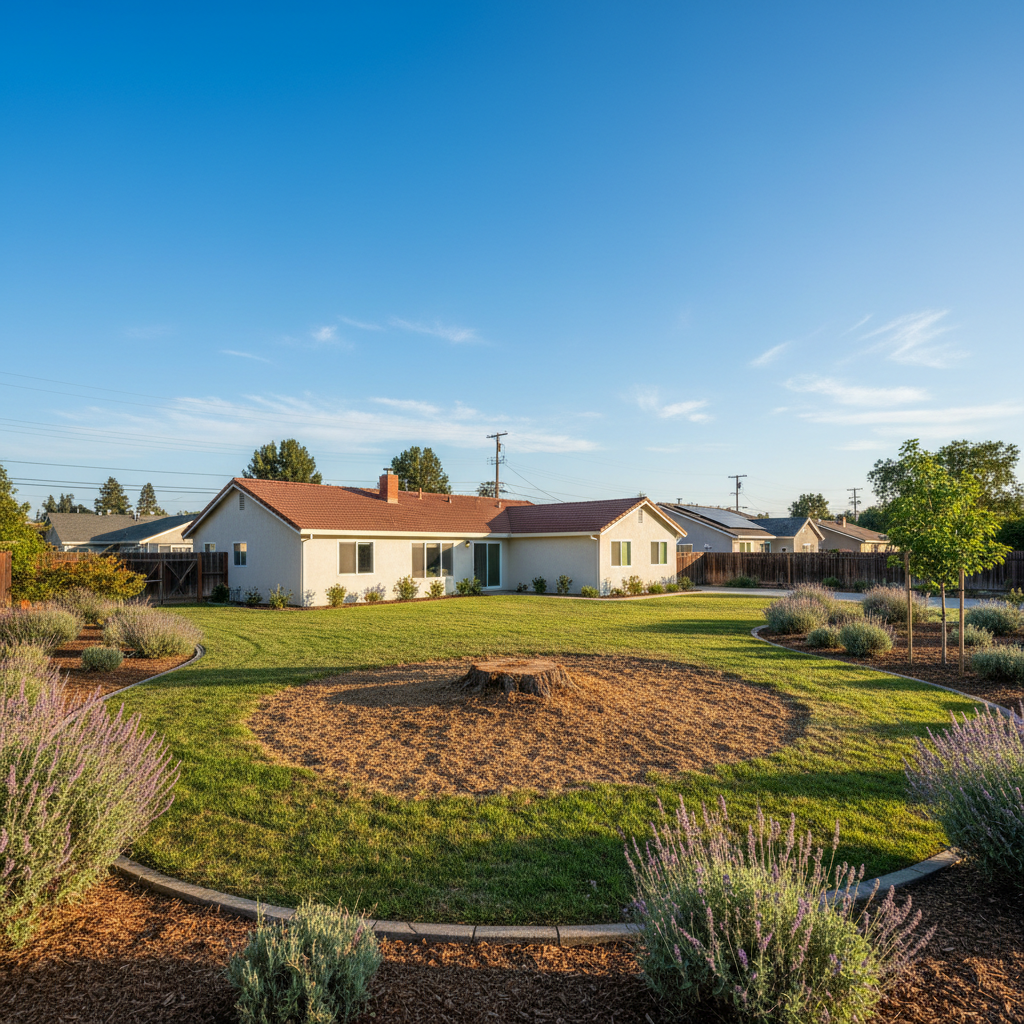
So, you've got a tree stump. Maybe it's an old oak from when you first bought your place in Mission San Jose, or a redwood that didn't quite make it through one of our dry summers. Whatever the story, that stump's probably become an eyesore, a tripping hazard, or just a pain to mow around. You're thinking about getting it ground down, and that's a smart move. But before we even talk about bringing out the grinder, let's cover a few things you really ought to know.
Not All Stumps Are Created Equal
You might think a stump is a stump, right? Not exactly. The size, type of tree, and even how long it's been there all play a role in how we approach the job. A fresh-cut liquidambar stump is different from a decade-old eucalyptus that's been slowly rotting. Hardwoods like oak or black acacia, common in some of the older neighborhoods around Niles, take more time and specialized equipment than softer woods. We've seen stumps that are barely visible above ground and others that are like small islands in the middle of a yard. Each one needs a slightly different plan.
Underground Surprises: What We Look For
This is where local expertise really comes in handy. It's not just about what's above ground; it's what's below that can cause real headaches if you're not careful. Before we even think about touching a grinder to your stump, we're looking for utilities. Gas lines, water pipes, electrical conduits, irrigation systems – you'd be amazed at what people bury without marking. In Fremont, especially with how many homes have expanded or had landscaping redone over the years, you can't just assume the ground is clear. We always call 811 to get utilities marked, but sometimes things aren't where the maps say they are, or there are private lines that aren't on any public record. That's why a thorough visual inspection and sometimes even some careful digging around the stump's base is crucial. Hitting a gas line with a stump grinder? Trust me, you don't want that kind of excitement.
Access Matters More Than You Think
Got a tight gate? A narrow path between your house and the fence? A steep slope in your backyard, like some of those properties up near the hills? All these things affect how we get our equipment to the stump. Our grinders aren't tiny, and while we have different sizes for different jobs, we still need clear access. If we have to dismantle a section of fence or navigate a tricky incline, that's something we need to factor in. It's not just about getting the machine there; it's about doing it safely and without damaging your property. We'll always discuss access with you during the initial assessment so there are no surprises on grinding day.
What Happens After the Grind?
Once the stump is ground down, you're left with a pile of wood chips and dirt. This 'grindings' material is usually a mix of soil and organic matter. You've got options here. Some folks like to keep it and use it as mulch in their garden beds. It's good stuff for enriching soil. Others prefer us to haul it away, leaving a clean, empty hole. If you're planning to replant a tree or put down new sod right where the stump was, we'll need to remove most of that material and backfill with fresh soil. You can't just plant a new tree directly into a pile of wood chips; it won't thrive. We can take care of the haul-away and even bring in new soil if that's what you need. Just let us know your plans for the area.
Why Local Expertise with Busy Bee Tree?
Look, anyone can rent a stump grinder. But knowing the ins and outs of Fremont properties, understanding the common tree types we have here, and having experience with the local soil conditions – which can range from sandy loam to heavy clay depending on if you're closer to the Bay or up in the hills – that's what makes a difference. We've been doing this for a long time, and we've seen it all. We know what to look for, how to prepare, and how to get the job done right and safely, without cutting corners. When you call Busy Bee Tree, you're not just getting a guy with a machine; you're getting someone who knows Fremont and cares about doing good work for our neighbors.
So, if you're ready to say goodbye to that stump, give us a call. We'll come out, take a look, and give you a straightforward assessment of what it'll take to get that eyesore out of your yard for good.