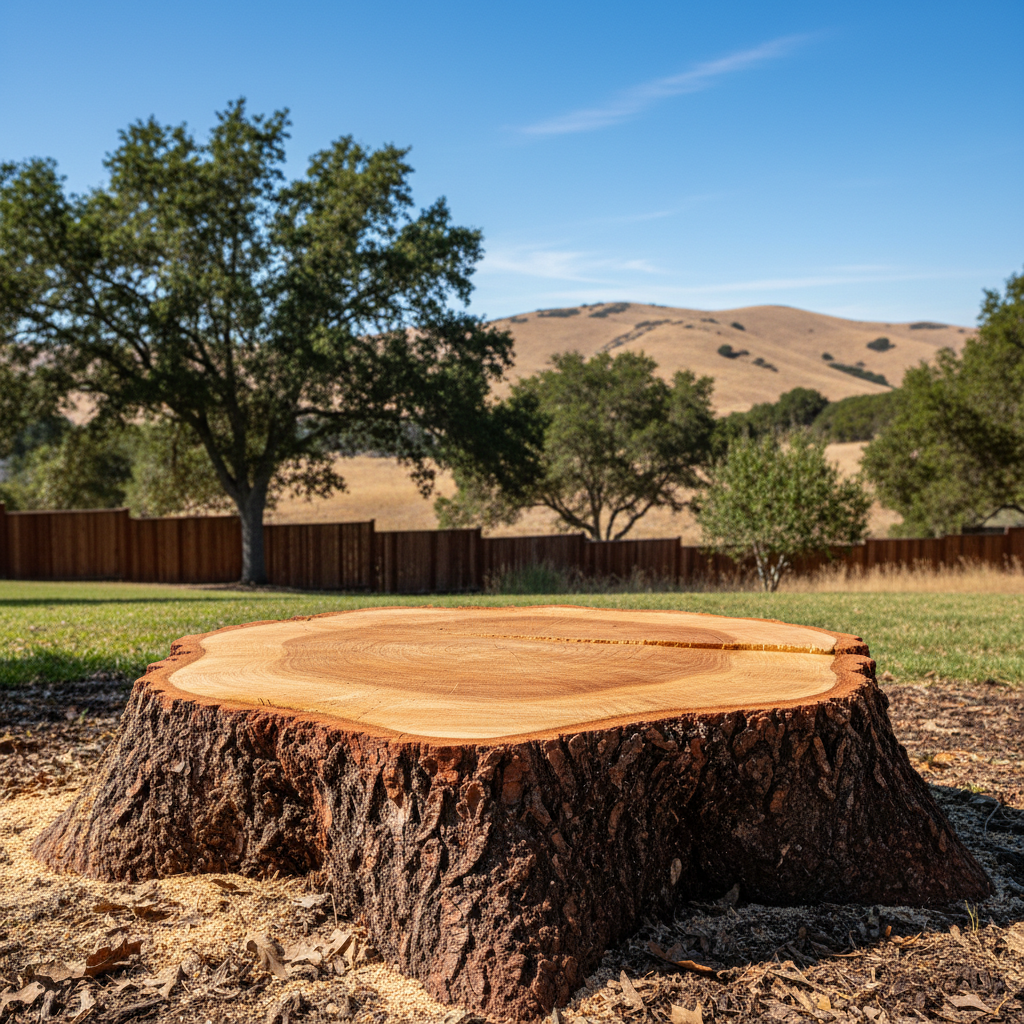
Alright, let's talk trees. I get a lot of calls from folks around Fremont, asking about their trees. They're worried about leaves turning yellow, branches looking dead, or just generally wondering if they're doing things right. So, I figured I'd put together some straight answers to the questions I hear most often. No fancy jargon, just what you need to know.
How much water do my trees really need, especially in our dry summers?
This is probably the number one question, and it's a good one, especially with our long, dry Fremont summers. People often under-water or over-water, and both can cause big problems. For most mature trees, deep, infrequent watering is key. You want the water to soak down into the root zone, not just wet the surface. Think about it: a tree's roots spread out, often as wide as the canopy. So, just watering right at the trunk isn't enough. I usually tell people to aim for about 10 gallons of water per inch of trunk diameter, applied slowly, once every two to four weeks during the dry season. Use a soaker hose or let a regular hose trickle for a few hours. Check the soil afterward – stick a screwdriver in; if it goes in easily about 6-8 inches, you're doing good. Younger trees, on the other hand, will need more frequent watering, maybe once a week, but still deep.
My tree's leaves are turning yellow. What's going on?
Yellow leaves, or 'chlorosis,' can be a sign of a few things. It's often a nutrient deficiency, especially iron, which is common in our alkaline soils here in the Bay Area. The tree can't absorb enough iron, so the leaves lose their green color. Sometimes overwatering causes it, which suffocates the roots and prevents them from taking up nutrients. Or it could be under-watering, stress from recent construction, or even pests. Look closely at the pattern of yellowing. If the veins stay green while the tissue between them turns yellow, that's a classic iron deficiency. If the whole leaf is yellowing and dropping, it might be water stress. It's tough to diagnose without seeing it, but if you're seeing widespread yellowing, it's time to investigate your watering habits and maybe get a soil test. Sometimes a good arborist can spot the issue right away.
What's the best time of year to prune my trees?
Generally, for most deciduous trees, the dormant season – late fall to early spring, when they've lost their leaves – is the best time for major structural pruning. It's easier to see the branch structure without leaves, and the tree is less stressed. For flowering trees, you usually want to prune right after they finish blooming. Pruning too early can cut off the flower buds for the next season. There are exceptions, of course. Dead, diseased, or hazardous branches can and should be removed any time of year. And if you're just doing light shaping or removing small suckers, you can often do that in the summer. But for anything significant, dormant season is usually your safest bet. Don't go crazy with it though; you don't want to remove more than about 25% of the canopy in a single year.
How can I tell if my tree is sick or has a pest problem?
You gotta be a detective. Start by just observing your trees regularly. Look for changes: wilting leaves, unusual spots or discoloration, holes in the leaves or bark, sawdust around the base, or branches dying back. Are there any strange growths or mushrooms on the trunk? Are there insects you haven't seen before? Sometimes you'll see sticky residue (honeydew) on leaves or cars underneath, which is a sign of sap-sucking insects like aphids. If you see a lot of frass – that's insect poop, looks like sawdust – coming out of holes in the bark, you might have borers. Don't ignore these signs. The sooner you catch a problem, the better chance you have of saving the tree. If you're not sure, snap some photos and call a local pro like us at Busy Bee Tree. We can often identify the issue pretty quickly.
Do I need to fertilize my trees, and if so, with what?
Not all trees need fertilizing, especially if they're healthy and growing well in good soil. Over-fertilizing can actually do more harm than good, leading to excessive growth that's weak, or even burning the roots. However, if your tree is showing signs of nutrient deficiency (like those yellow leaves we talked about), or if it's struggling after construction, or if your soil is just really poor, then fertilization can help. A soil test is the best way to figure out what nutrients your soil is lacking. Based on that, you can choose a slow-release granular fertilizer, or a liquid injection. I generally recommend slow-release options because they feed the tree gradually over time, mimicking natural processes. Don't just dump a bunch of 'all-purpose' fertilizer around your tree without knowing what it actually needs.
My tree has cracks in the trunk or branches. Is it dangerous?
Cracks are definitely a red flag, and they can be dangerous. They can indicate structural weakness, disease, or internal decay. Some cracks are superficial and not a big deal, like frost cracks that heal over time. Others, especially vertical cracks that run deep into the trunk, or cracks at branch unions, can mean the tree is at risk of failure. If you see cracks, especially if they're widening, leaking sap, or accompanied by other signs of decay like mushrooms, you need to get it checked out by a certified arborist. They can assess the stability of the tree and recommend whether it needs cabling, bracing, or even removal. We've seen too many trees come down in the wind because a crack was ignored. Safety first, always.
Look, your trees are a big investment and a huge part of your property's value and beauty. Taking care of them isn't always simple, but it's worth it. If you're ever unsure about something, don't guess. Give Busy Bee Tree a call. We're here in Fremont, and we've seen just about everything when it comes to trees in our area, from the older neighborhoods around Niles to the newer developments on the hillsides. We're happy to come take a look and give you an honest assessment.