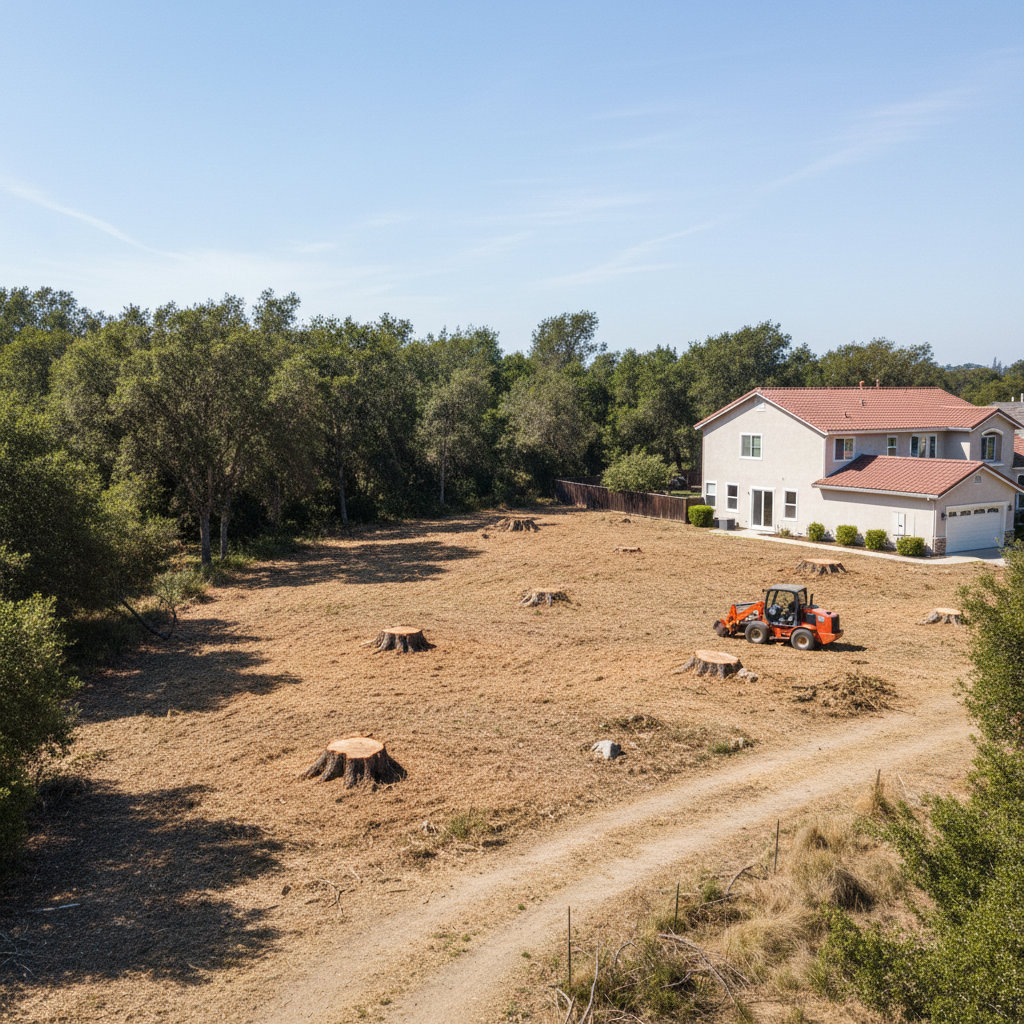
So, you've got a piece of land in Fremont you're looking to clear. Maybe you're finally building that ADU, putting in a new garden, or just reclaiming some overgrown space. Whatever the reason, land clearing isn't just about hacking away at trees and brush. It's a big project, and you really need a solid plan to make sure it goes smoothly, safely, and doesn't cost you an arm and a leg.
Setting Your Land Clearing Timeline
First off, let's talk timing. How long does this stuff actually take? Well, it depends on the size of your property, what's currently growing on it, and what you want done with the debris. A small backyard clearing job might take a day or two. A larger, heavily wooded lot could easily be a week or more. Oh, and don't forget to factor in things like permitting.
In Fremont, if you're taking down significant trees, especially mature ones or those protected by the city's tree ordinance, you'll definitely need a permit. Don't skip this step; the fines are no joke, trust me. Getting a permit can add weeks to your timeline, so plan ahead. You'll need to know exactly what trees you're removing, why, and often have a site plan ready. I've seen folks in Niles Canyon get caught out because they didn't realize a certain oak was protected. It's always best to check with the City of Fremont's planning department early on, really.
Then there's the weather. We get some pretty dry summers here, which is great for clearing, but it also means fire season. You might find restrictions on certain types of equipment or burning during those times. Winter can bring rain, turning your site into a muddy mess, which slows everything down and makes it harder to haul off debris. Spring and fall are often ideal, offering a good balance of dry conditions and moderate temperatures.
What to Expect During the Process
Once you've got your permits and a contractor lined up, here's what typically happens:
- Site Assessment: We'll walk the property with you, marking trees for removal, identifying any obstacles, and discussing access points.
- Mobilization: Our crew shows up with the right equipment – excavators, skid steers, chippers, chainsaws, you name it. It's not a quiet process, I'll tell you that much.
- Clearing: This is the main event. Trees are felled, brush is cut, and stumps are typically ground down or removed depending on your needs. We work systematically to ensure safety and efficiency.
- Debris Management: All that wood and brush has to go somewhere. We'll chip smaller material on-site for mulch, haul away larger logs, or sometimes, if allowed and safe, burn piles (though burning is heavily restricted in the Bay Area, especially in residential zones). Make sure you discuss debris removal upfront.
- Final Grading: After everything's cleared, we can do some basic grading to smooth out the land, preparing it for whatever you've got planned next.
It's messy work, no two ways about it. There will be noise, dust, and heavy machinery. We do our best to minimize disruption, but you should definitely expect your yard to look like a construction zone for a bit.
How to Get Your Property Ready
You can help make the job smoother and faster, which saves you money. Before we even show up:
- Clear the Area: Remove anything you don't want damaged or in the way. Think garden ornaments, kids' toys, outdoor furniture, planters.
- Mark Utilities: Call 811 before you dig! This is crucial. They'll mark underground utility lines (gas, water, electric, communication). Even if you're not planning deep excavation, it's a must for heavy equipment.
- Secure Pets and Kids: This is a construction site. Keep everyone, especially the little ones and your furry friends, well away from the work zone.
- Talk to Your Neighbors: Give them a heads-up about the noise and activity. A little courtesy goes a long way.
- Plan for Access: Make sure there's a clear path for our trucks and equipment to get in and out.
Questions to Ask Before You Sign That Contract
Don't just pick the first guy you call. You're investing a good chunk of change here, so ask the right questions. Here's what I'd want to know if I were in your shoes:
- Are you licensed and insured? Don't even consider someone who isn't. You need to see proof of both liability insurance and workers' compensation. If a worker gets hurt on your property and they're not insured, you could be on the hook.
- What's included in the quote? Is debris removal part of the price, or is that extra? What about stump grinding? Final grading? Get it all in writing.
- Do you handle permits? Some contractors will help you navigate the permitting process, others expect you to handle it. Clarify this upfront.
- What equipment will you use? This gives you an idea of the scale of the operation and how much disruption to expect.
- How do you handle unforeseen issues? What if we find a giant boulder or an old buried foundation? How will that affect the timeline and cost?
- Can you provide references? A reputable company like Busy Bee Tree will be happy to share contact info for past clients.
- What's your estimated timeline? Get a realistic start and completion date.
- What's your payment schedule? When are deposits due? When are final payments expected?
- What's your cleanup process? Will the site be left broom-clean, or just cleared?
Asking these questions protects you, ensures you get what you pay for, and helps avoid surprises down the road. Land clearing can transform your property, but it takes careful planning and the right team to do it right.