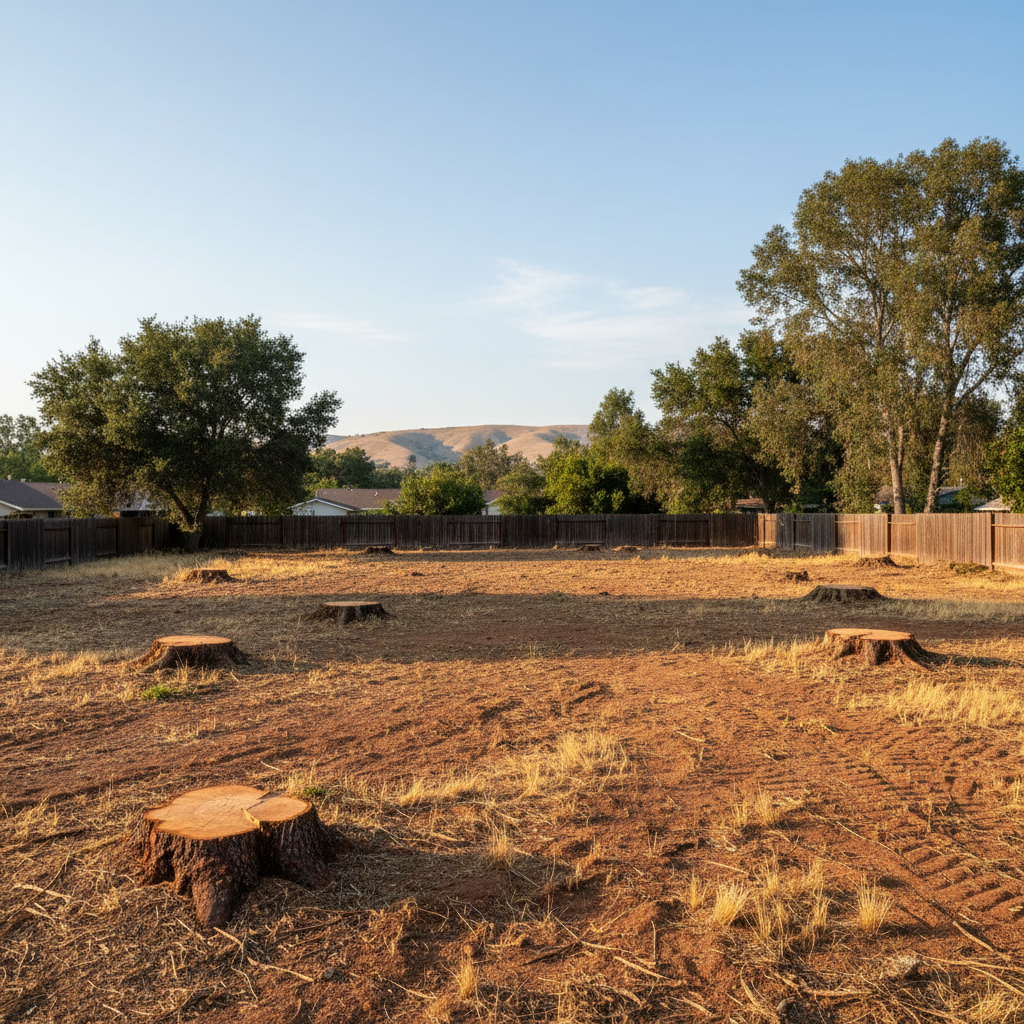
Land clearing isn't just about cutting down trees; it's a big job that needs careful planning, especially here in Fremont. You've got to think about the weather, the regulations, and what's best for your property in the long run. I've seen a lot of projects go sideways because folks didn't time it right, so let's talk about when to get it done and why.
When's the Best Time for Land Clearing in Fremont?
Honestly, the best time for land clearing in Fremont is usually during our dry season. That means late spring through early fall, roughly May to October. Why then? A few reasons.
First, the ground is drier. When the soil's not saturated, it's a lot safer for heavy equipment. You don't want big machinery sinking into mud, tearing up your yard, or getting stuck. It's also less likely to damage underground utilities if the ground is firm. Plus, dry conditions mean less erosion and less mess overall. We're not tracking mud all over your driveway or the street, which is a win for everyone.
Second, permits can be a factor. Depending on the size of the job and if you're near a creek or sensitive habitat, you might need permits from the city or even regional agencies. These processes can take time, so starting your planning in the winter or early spring gives you a good head start. You don't want to be ready to clear land only to find out you're stuck waiting for paperwork.
Third, fire season. This is a big one for us, especially with the dry hillsides around areas like Mission Peak. Clearing brush and dead trees before the peak of fire season is smart for fire prevention. You're not just improving your property; you're helping protect your home and neighborhood. But you also need to be careful about sparking fires *during* the clearing process if it's already super dry and windy. That's where a professional crew like Busy Bee Tree comes in, with the right equipment and safety protocols.
Weather Conditions That Affect the Work
Our Fremont weather is generally pretty mild, but we do get extremes that can impact land clearing. High winds are a major concern. Trying to fell large trees or move heavy debris when it's gusty is just asking for trouble. It's incredibly dangerous for the crew and can cause unpredictable falls, damaging property or even injuring someone. We'll always reschedule if the wind's too high; safety first, always.
Rain, especially heavy downpours, also brings things to a halt. As I mentioned, wet ground is a problem for equipment. It also makes conditions slippery and hazardous for the crew. Plus, if you're clearing near a slope, heavy rain immediately after a job can lead to erosion problems, washing away newly exposed soil. That's why we really push for that dry season timing.
Extreme heat isn't as much of a showstopper as wind or rain, but it does mean we have to take more breaks and stay hydrated. It can also increase fire risk, so we're extra vigilant with spark arrestors and water on site.
Protecting Your Investment Year-Round
Once your land is cleared, you're not done. You've made a significant investment, and you want to keep it that way. Regular maintenance is key.
- Keep up with brush clearing: Especially during the dry season, stay on top of new growth and dead vegetation. This is crucial for fire prevention.
- Monitor for erosion: After heavy rains, check any slopes or disturbed areas for signs of erosion. You might need to add ground cover or consult with a landscape professional to stabilize the soil.
- Watch for invasive species: Cleared land can be an open invitation for invasive plants to take root. Learn what to look for and remove them quickly before they spread.
- Plan for future growth: If you're planning to replant, do it strategically. Choose native, drought-tolerant species that won't become a future fire hazard or maintenance headache.
Ultimately, land clearing is about more than just removing trees; it's about managing your property for safety, aesthetics, and long-term health. Doing it at the right time with the right team makes all the difference. If you're thinking about a project, give us a call at Busy Bee Tree. We can walk you through the best approach for your specific property and the Fremont climate.