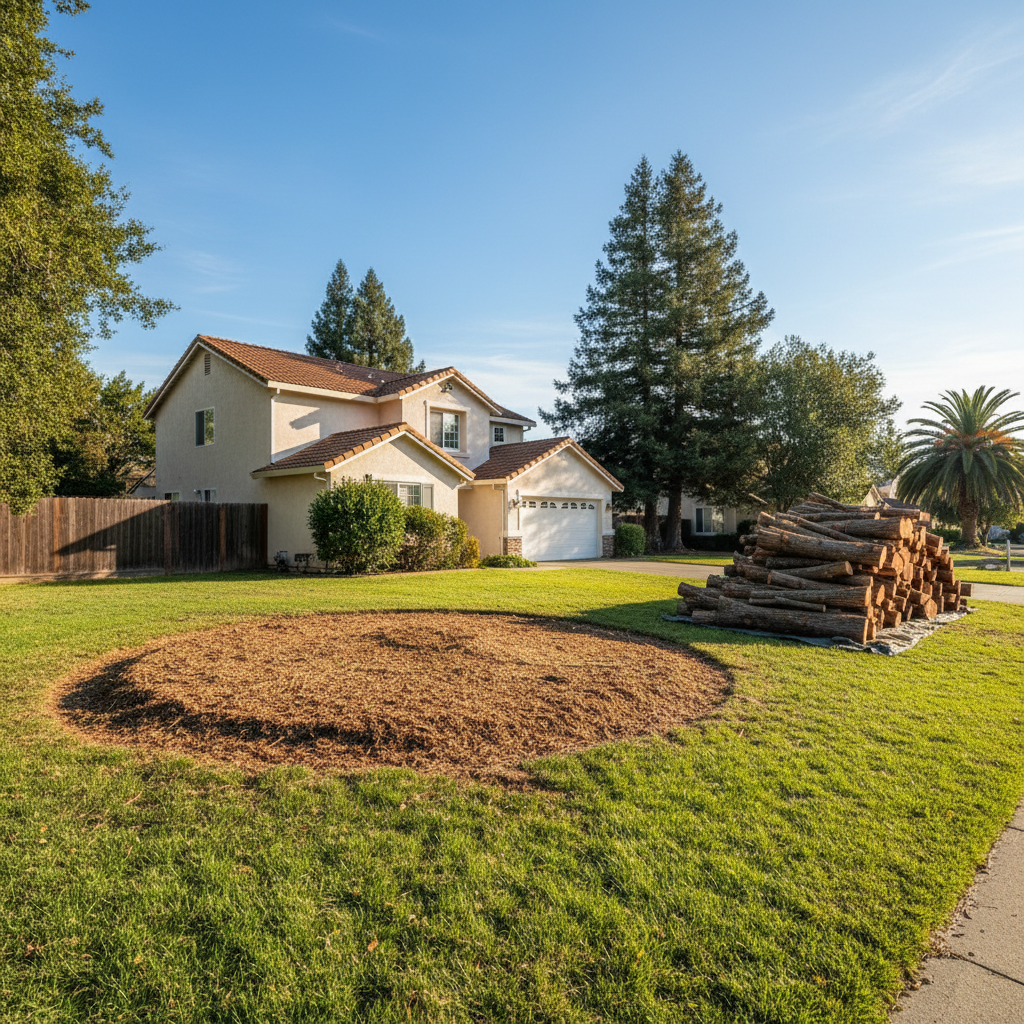
So, a tree's fallen on your roof, or it's leaning precariously over your kid's play area after some gnarly winds. It's an emergency, and you're probably feeling a bit stressed. I get it. I've seen it countless times here in Fremont, especially after those winter storms roll through the hills near Mission Peak. When you're dealing with a sudden tree crisis, you need to act fast, but also smart. This isn't the time to pick the first name you see online. Let's walk through what to expect and how to handle it.
The Immediate Aftermath & First Steps
First things first: safety. Is anyone hurt? Is there immediate danger from power lines? If lines are down or sparking, stay far away and call PG&E immediately (1-800-743-5000). Don't try to move anything yourself if there's any doubt about safety. Once the immediate danger is assessed, grab your phone.
You'll want to take photos and videos of the damage from multiple angles. This is crucial for your insurance claim later. Document everything. Then, call your insurance company. They can guide you on their specific procedures for emergency tree removal and property damage. They might even have a list of approved contractors, though you're not always obligated to use them.
Finding the Right Crew: Questions to Ask
When you're calling around for emergency service, you're looking for a crew that's responsive, professional, and properly equipped. Don't just go with the cheapest quote, especially in an emergency. Here's what I'd ask:
- Are you licensed and insured? Can you provide proof of liability insurance and worker's comp? This isn't just a formality; it protects you if something goes wrong.
- Do you specialize in emergency tree removal? It's a different beast than routine pruning.
- What's your estimated response time? In an emergency, every hour counts.
- How do you handle debris? Is stump grinding included, or is that extra?
- Can you provide a detailed, written estimate on-site? What's included in the price?
- What's your payment schedule? Do you require a deposit?
At Busy Bee Tree, we're always upfront about these things. You need to know exactly what you're getting into, especially when you're under pressure.
What to Expect During the Process
Once you've chosen a contractor, they'll arrive with their crew and equipment. Emergency removals are often complex and dangerous, especially if the tree is on a structure or tangled in power lines. You'll see them assessing the situation, setting up safety zones, and bringing in specialized equipment like cranes, bucket trucks, and powerful chainsaws.
The crew will work carefully to remove the tree in sections, minimizing further damage to your property. It's a precise operation. They'll chip branches, cut logs, and haul away the debris. It can be noisy and dusty, and it might take several hours, or even a full day, depending on the size and location of the tree. They'll also make sure the site is as clean as possible before they leave.
Preparing Your Property for the Crew
While you're waiting for the crew, there are a few things you can do to help them out and keep everyone safe:
- Clear the area around the fallen tree. Move cars, outdoor furniture, toys, and anything else that could be in the way or get damaged.
- Keep pets and children indoors and away from the work zone.
- Ensure the crew has clear access to the work area. If there's a locked gate, make sure it's open.
- Point out any underground utilities you know about, like sprinkler lines, if they're near the work area.
- Have your insurance claim number handy, and any contact information for your adjuster.
Timeline: From Call to Cleanup
In an emergency, the timeline is compressed. You're looking at:
- Immediate Call: As soon as you realize it's an emergency, call your insurance and a few reputable tree services.
- Rapid Response: A good emergency service will aim to be on-site within a few hours, or at least within 24 hours, to assess and secure the situation.
- Removal Execution: Depending on the complexity, the actual removal could take anywhere from a few hours to a full day or more.
- Cleanup: Most reputable companies will include basic cleanup, hauling away logs and chipping branches. If you want stump grinding, that might be a separate service or scheduled for a later date.
- Insurance Processing: This can take a bit longer, but having all your documentation and photos will speed things up.
Dealing with a fallen tree is never fun, but knowing what to expect can make a stressful situation a lot more manageable. Stay safe out there, Fremont neighbors.